

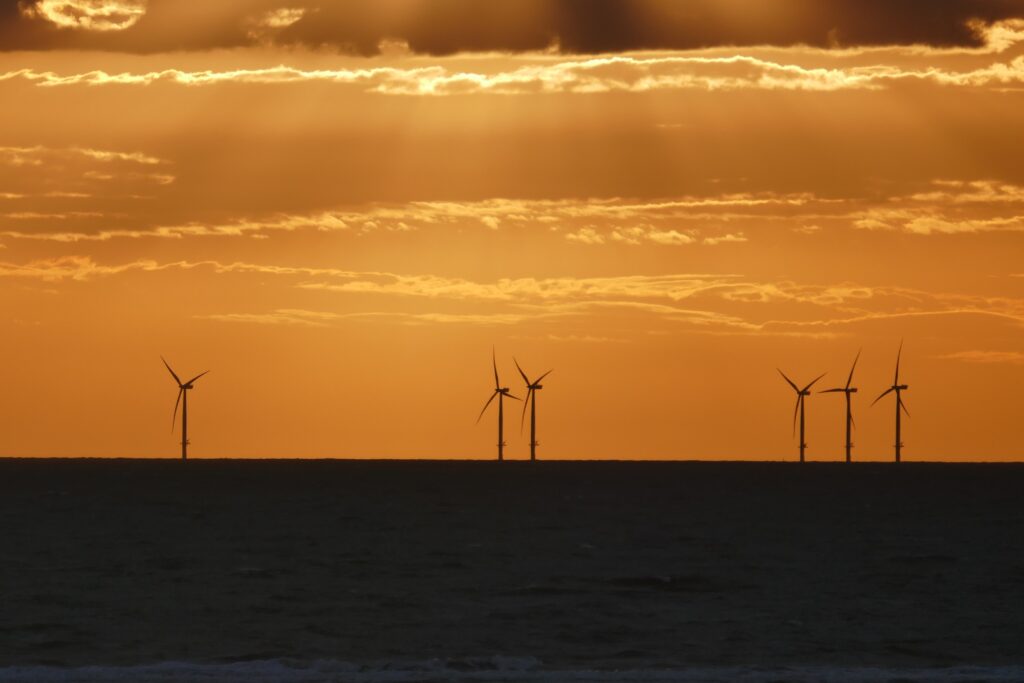
Floating offshore wind is often pictured through what we see above the water: larger turbines, new farm layouts and the promise of clean energy from deeper and more challenging seas. But its next phase of development will also depend on what happens below the surface.
A new TAILWIND factsheet, Keeping floating wind at the forefront, invites offshore wind stakeholders to look at the station-keeping systems that keep floating turbines stable throughout their lifetime. The factsheet focuses on two essential components: anchor concepts and fibre rope mooring lines, exploring how they can support cost reduction, sustainability and the scale-up of next-generation floating wind farms.
As floating wind moves towards commercial-scale deployment, anchors and mooring lines are no longer just engineering details. They influence installation, reliability, environmental performance and long-term project costs. They also raise a practical question for the sector: how can floating wind farms expand without increasing material use, seabed impact and end-of-life challenges?
The factsheet opens up some of the key choices that developers, technology providers and offshore wind experts will need to address. Which anchor concepts are better suited to different soils, loads and mooring configurations? When can shared anchors become an opportunity? And how can anchor technologies be compared not only for technical performance, but also for their environmental and circularity potential?
Fibre rope mooring lines play an important role as well in the performance of floating offshore wind systems, but they also bring new questions around recyclability, traceability and end-of-life management. TAILWIND looks at what recycling pathways are emerging, where the main bottlenecks remain, and why circularity needs to be considered from the design stage rather than only when ropes reach the end of their operational life.
Scaling up will not only mean building more turbines offshore: what happens below the surface matters. This first TAILWIND factsheet explores the anchor and mooring choices that could make future farms more reliable, more sustainable and easier to deploy.
Explore the full document here
Photo credits: MxKa from Pixabay
July 8, 2026


