

HOLDING THE FUTURE OF WIND ENERGY

Mooring lines and anchoring systems
Funded by the European Union, it focuses on improving mooring and anchoring (station-keeping) technologies for floating offshore wind farms.
Through the development of new materials for mooring lines and advancement of anchors, TAILWIND seeks to reduce raw material usage and minimise the footprint of floating offshore wind farms. The project emphasises environmentally friendly mooring configurations and anchoring systems to protect marine resources. TAILWIND also focuses on promoting the use of removable, reusable anchors and exploring the recyclability of fibre ropes to support a circular economy and ecosystem restoration efforts.


Sustainability


One of TAILWIND's main goals is to protect and conserve the marine environment, lowering the footprint of offshore wind farms.
The project aims to advance resource efficiency and preserve Europe’s natural environment as outlined in the EU Biodiversity Strategy for 2030. Model testing of anchors in seabed-like conditions will validate new concepts and develop better design procedures. Environmental impact studies are conducted to ensure compliance with pollution prevention principles, demonstrating TAILWIND’s commitment to sustainable offshore wind development.
The investigated systems will not cause either seafloor dragging or harmful noise for the marine fauna.
LATEST UPDATE
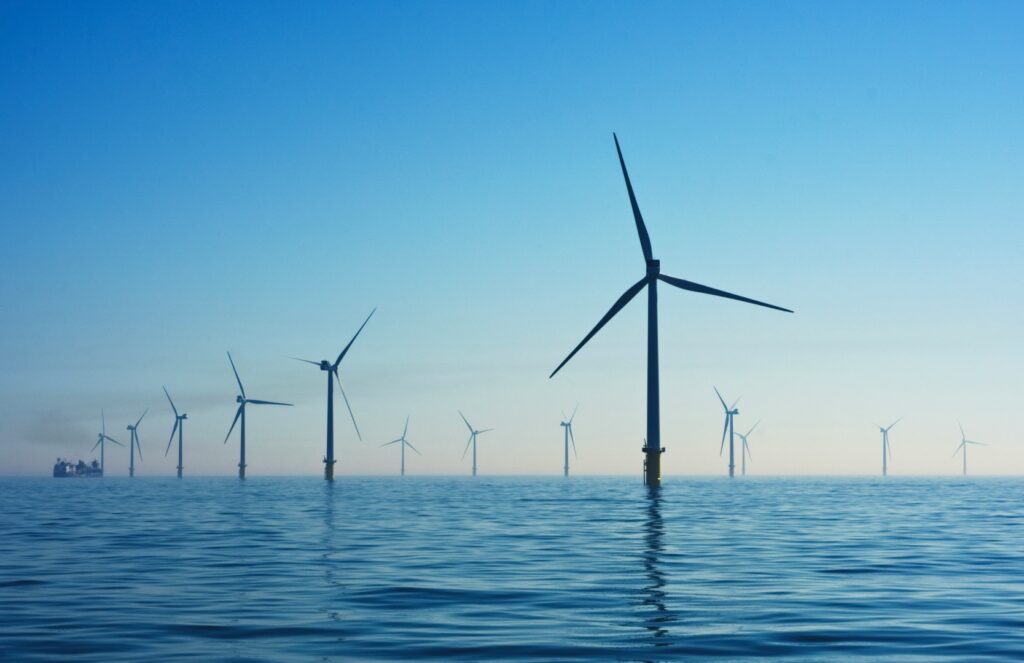
Wind of change: Europe’s race to stay ahead
A new podcast series developed by the Horizon Europe projects TAILWIND, DTWO and SUDOCO explores the challenges, innovations and opportunities shaping the future of European wind energy.
Open data for floating wind: four EU projects, one mission
Tune in on September 17 and discover how open-access data can support floating offshore wind research, engineering and industry uptake
TAILWIND joins new European wind innovation hub
The Wind Innovation Cluster Hub brings TAILWIND to strengthen the visibility of EU-funded wind research and create new opportunities for collaboration
Consortium
TAILWIND is an international, multisectoral and multidisciplinary consortium.
It includes 13 partners from the industrial field, technical suppliers, and research institutes focused on station-keeping systems.
These partners represent the 9 EU member and associated states (Spain, Denmark, the Netherlands, Belgium, Italy, Germany, Portugal, United Kingdom and Norway), representing the whole floating offshore wind systems supply chain.


