

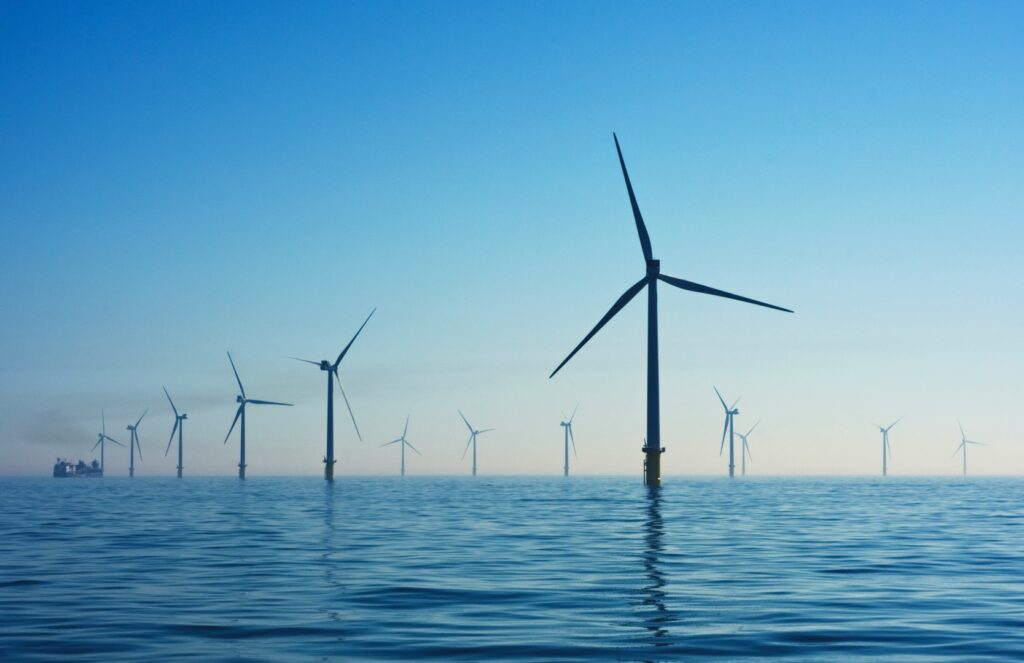
Wind energy has become a cornerstone of Europe’s energy transition, supplying approximately 20% of the EU’s electricity. Yet, despite technological progress, growing investments and ambitious European targets, deployment is still too slow to meet Europe’s climate and energy objectives. What is holding back the expansion of wind energy in Europe, and what will it take to accelerate the transition?
TAILWIND, DTWO and SUDOCO explore these questions in a three-episode series, produced as part of ICONS Innovation Stories podcast. The initiative brings together researchers and industry representatives to discuss the future of wind energy and the role of European research and innovation.
The first episode, “Wind energy in Europe, where do we stand?”, takes stock of the sector’s progress and asks what is preventing faster deployment. Hosted by Veronica Tosetti, it brings together experts from the Technical University of Denmark (DTU), WindEurope, and the offshore renewable energy industry.
From lengthy permitting procedures and limited grid capacity to supply chain constraints and investment uncertainty, the discussion explores the barriers slowing Europe’s wind energy ambitions. It also considers how industrialisation, standardisation and digitalisation can help the sector deliver larger, more efficient and economically viable systems.
As Athanasios Kolios of DTU, a partner in the TAILWIND project, puts it: “Europe has the technology, the resources and the ambition. The challenge now is to industrialise wind fast enough.” This means turning targets into projects that are permitted, financed, connected to the grid and efficiently operated. Delivering hundreds or thousands of turbines will require secure supply chains and a coordinated approach to large-scale deployment.
Offshore wind brings these challenges into sharp focus. While fixed-bottom technologies are well established in the North Sea, the Mediterranean’s deeper waters offer opportunities for floating wind, alongside new demands for technological innovation.
The three projects bring complementary perspectives to this discussion. TAILWIND focuses on innovative mooring and anchoring solutions for floating offshore wind, while SUDOCO contributes further research and expertise to offshore wind energy development. DTWO is developing a federated digital twin framework to improve data integration and support the management of offshore wind systems. Together, they explore how closer collaboration between research and industry can turn innovation into wider deployment and help Europe realise its wind energy potential.
Listen to the first episode of Wind of change: Europe’s race to stay ahead, and stay tuned for the upcoming two conversations on the innovations and solutions shaping the future of European wind energy.
Photo by Nicholas Doherty from Unsplash
October 19, 2026


